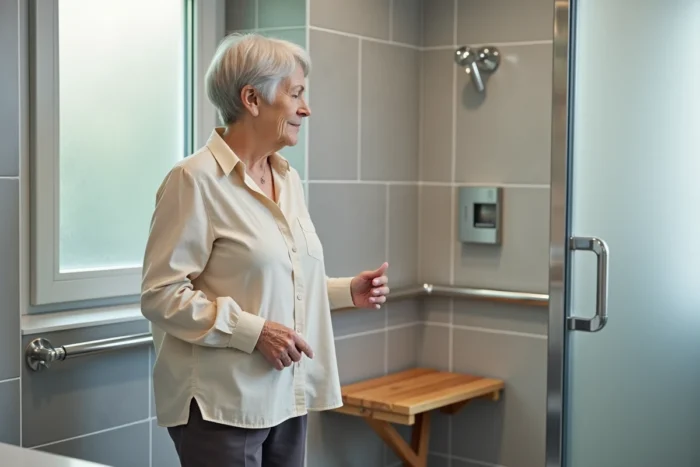
Adapting a bathroom for aging costs between a few hundred euros for grab bars and several thousand for a complete bathtub replacement with a walk-in shower. Since 2024, the landscape of financial aid has been restructured around a main scheme, MaPrimeAdapt’, which changes the rules for combining it with other mechanisms. Identifying the right financial arrangement requires understanding these new connections before signing a quote.
Combining tax credit and MaPrimeAdapt’: the little-known rule of 2026
Most online guides still present the autonomy tax credit and MaPrimeAdapt’ as two complementary levers to be activated simultaneously. The reality has changed. In 2026, the 25% tax credit on accessibility equipment cannot be combined with MaPrimeAdapt’ for the same work. Grab bars, wall-mounted shower seats, flat shower trays: if these items are included in the MaPrimeAdapt’ file, they cannot be subject to a separate tax declaration.
The practical consequence is direct. Before submitting a file, one must choose between two strategies: grouping all work under MaPrimeAdapt’ (which can cover up to 70% of the amount depending on resources), or isolating certain equipment to declare them via the tax credit if the MaPrimeAdapt’ coverage rate proves less favorable. Finding the right aid for senior bathroom adaptation now involves this comparative calculation, item by item.
The available data does not allow for determining a universal income threshold from which one strategy outweighs the other. The outcome depends on the amount of work, the coverage rate, and the household’s tax situation.

MaPrimeAdapt’ as a single point of contact: what it changes practically
Since its launch in January 2024, MaPrimeAdapt’ is not an additional aid in the existing catalog. It has been designed as the unique reference aid for adapting housing to loss of autonomy. This single point of contact logic implies systematic support by a project management assistant (AMO), who intervenes at home to conduct a comprehensive diagnosis.
The AMO diagnosis before bathroom work
The AMO does not limit itself to the bathroom. It examines the entire home, identifies mobility obstacles, and proposes a prioritized work plan. For the bathroom, this may include replacing the bathtub, installing a non-slip floor, raising the toilet, or widening the access door.
This mandatory step through a professional coordinated via France Rénov’ extends the timeline for starting the work. However, it avoids partial interventions that leave risks, such as an adapted shower but a door threshold too narrow for a walker.
Funding rates based on resources
MaPrimeAdapt’ finances 50% or 70% of adaptation work depending on the applicant’s income level. Owner-occupiers, private tenants, and co-owners are eligible. Social housing tenants do not fall under this scheme, as their landlord is responsible for adapting the housing.
- Owner-occupiers with modest incomes: coverage rate can reach 70% of the work amount
- Owner-occupiers with intermediate incomes: rate of 50%
- Private tenants: same income conditions, with written agreement from the landlord
- Co-owners: eligible for private parts, subject to a vote in assembly for common areas
Complementary aids to MaPrimeAdapt’ for bathroom work
The fact that MaPrimeAdapt’ positions itself as the main aid does not eliminate other schemes. Their coordination requires diligence, as each aid covers distinct scopes of work or different audiences.
APA and PCH: different logics of work aid
The Personalized Autonomy Allowance (APA) can finance housing adaptations as part of the aid plan developed by the departmental medico-social team. The Disability Compensation Benefit (PCH) covers adaptations related to disability, without a minimum age condition. These two aids do not target the same audience and do not follow the same evaluation criteria as MaPrimeAdapt’.
A point of caution: APA and PCH cannot be combined for the same expenses. A PCH beneficiary who turns 60 can switch to APA, but neither will simultaneously fund the same grab bar or shower seat.
Retirement funds and local aids
Retirement funds (CARSAT, MSA, complementary funds) offer housing improvement aids for retirees who do not fall under GIR 1 to 4 and therefore do not have access to APA. The OSCAR scheme (Coordinated service offer for retirement support) from certain CARSAT allows for financing part of the adaptation work, including in the bathroom.
Municipal and departmental aids vary greatly from one territory to another. Some municipalities fund the installation of secure showers through specific packages for home maintenance. Field feedback varies on this point: the amount and conditions differ on a case-by-case basis, without national harmonization.
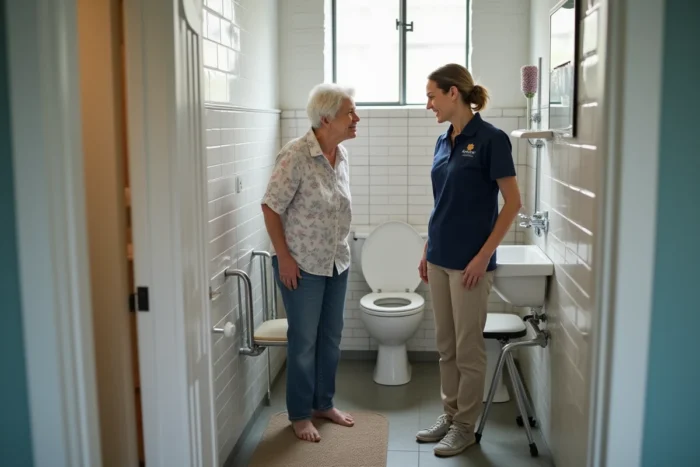
Actual out-of-pocket cost after combining aids for a senior shower
The price of an adapted senior shower varies according to sources from a few thousand euros to over seven thousand euros, including equipment and installation. With a MaPrimeAdapt’ rate of 70%, the out-of-pocket cost significantly decreases, but it does not drop to zero. The AMO support fees, certain equipment not listed in the ANAH reference, or aesthetic finishes remain the responsibility of the individual.
For intermediate-income individuals benefiting from the 50% rate, the supplement can be partially covered by a retirement fund aid or a local grant. Creating a file combining two or three funders remains possible, provided that each aid covers distinct expense items or that the specific cumulative rules of each organization are respected.
A common pitfall is signing a quote before obtaining funding approval. MaPrimeAdapt’ requires that work has not begun at the time of the application submission. A project started prematurely results in the complete loss of the right to aid, regardless of the amount incurred.