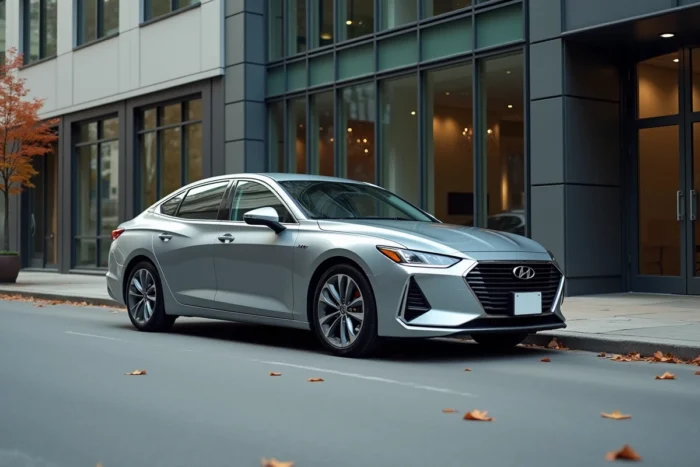
The hybrid car market in 2026 is structured around a technical divide that product sheets obscure: the gap between homologated consumption and real consumption varies from simple to triple depending on the hybridization technology chosen. Before comparing models, we recommend deciding on the engine architecture, as it determines the actual cost of use.
Real consumption of hybrids: the WLTP gap that skews comparisons
On a conventional hybrid (HEV), the gap between WLTP consumption and daily use remains moderate. The system recovers energy during braking and when lifting off the accelerator, without driver intervention. The electric motor assists the combustion engine during the most demanding phases, and the result in real conditions approaches the announced figures.
The situation is radically different for plug-in hybrids (PHEV). A study reported in 2025 shows that the actual CO2 emissions of PHEVs far exceed the homologation values. The reason is structural: the WLTP cycle assumes a fully charged battery at the start, whereas in everyday use, many drivers do not consistently recharge. The PHEV then operates in combustion mode with the added weight of the battery increasing consumption.
We observe a ranking of the best hybrid cars on the market that incorporates this parameter of real consumption, allowing models to be sorted on more reliable bases than just the manufacturer’s sheet.
For a driver who travels less than 40 km per day with reliable access to a charging station, the PHEV can deliver on its promises. For all other profiles, a conventional hybrid offers more predictable consumption savings.

HEV reliability vs PHEV: a criterion that rankings ignore
Comparisons focus on power, electric range, and list price. However, medium-term reliability is the factor that weighs most heavily on the total cost of ownership.
A Consumer Reports survey cited in 2025 highlights more reported problems with PHEVs than with conventional hybrids. The explanation is mechanical: a PHEV carries a larger traction battery, an onboard charger, a dedicated cooling circuit, and more complex electronic management. Each additional component adds a risk of failure.
Conventional hybrids benefit from a simpler architecture, built on over twenty years of experience (Toyota has been marketing its HEV technology since the late 1990s). The small-capacity battery undergoes fewer deep cycles and ages better.
- On an HEV, the battery charges and discharges partially thousands of times without notable degradation, as the cycles remain shallow
- On a PHEV, the battery undergoes regular full cycles that accelerate cell aging, especially with frequent fast charging
- The replacement cost of a PHEV battery is significantly higher than that of an HEV battery due to its larger capacity
Market share in France: why HEV dominates PHEV in 2026
The registration figures confirm the trend. In May 2026, the share of PHEVs remains stable at around 6% of new registrations in France. Non-rechargeable hybrids, on the other hand, continue to grow in the gasoline mix.
This dynamic reflects a pragmatic choice by buyers. The HEV requires no charging infrastructure, no change in habits. It drives exactly like a combustion vehicle, with reduced consumption from the first kilometer. The PHEV is only economically justified if daily charging is guaranteed.
A regulatory factor could accentuate this gap: the European Union is considering taxing imported Chinese plug-in hybrids. If this measure is implemented, some of the most competitively priced PHEV models would lose their price advantage.
HEV models to watch
Toyota remains the technical reference in the HEV segment. The Toyota Yaris Cross has a real consumption close to 4.4 L/100 km, making it one of the most fuel-efficient vehicles on the market. The RAV4 Hybrid meets family needs with real consumption around 5.1 L/100 km.
Renault offers the Captur E-Tech, which combines a gasoline engine with a multi-mode clutchless transmission inspired by Formula 1. Hyundai positions the Tucson Hybrid with an aggressive equipment-to-price ratio.
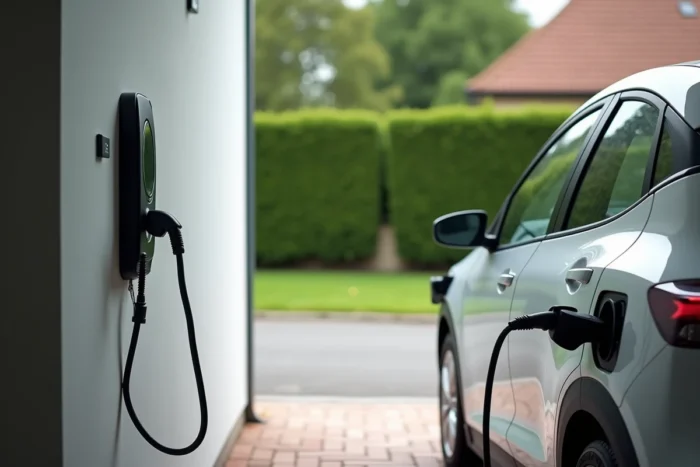
Criteria for choosing a hybrid car: a technical reading grid
Rather than a list of models, we recommend structuring the choice around three technical questions.
- Daily travel profile: below 30-40 km per day with accessible charging, the PHEV can operate in nearly electric mode. Beyond that, the HEV will be more fuel-efficient in real use
- Expected ownership duration: for a purchase to be kept for more than five years, the superior reliability of the HEV reduces the risk of unexpected costs related to the battery or power electronics
- Sensitivity to ecological penalties: hybrid cars, excluding micro-hybrids, generally escape penalties. Some PHEVs may also benefit from the conversion bonus, but this calculation depends on the scale in effect at the time of purchase
The choice between HEV and PHEV hinges on the charging profile, not on the technical sheet. A PHEV that is never charged costs more to operate than a conventional HEV, while emitting more CO2.
The hybrid segment continues to evolve, with Chinese manufacturers pushing the electric ranges of PHEVs beyond current European standards. The reading grid remains the same: check real consumption, assess mechanical complexity, and compare the total cost over the expected ownership duration rather than just the list price.